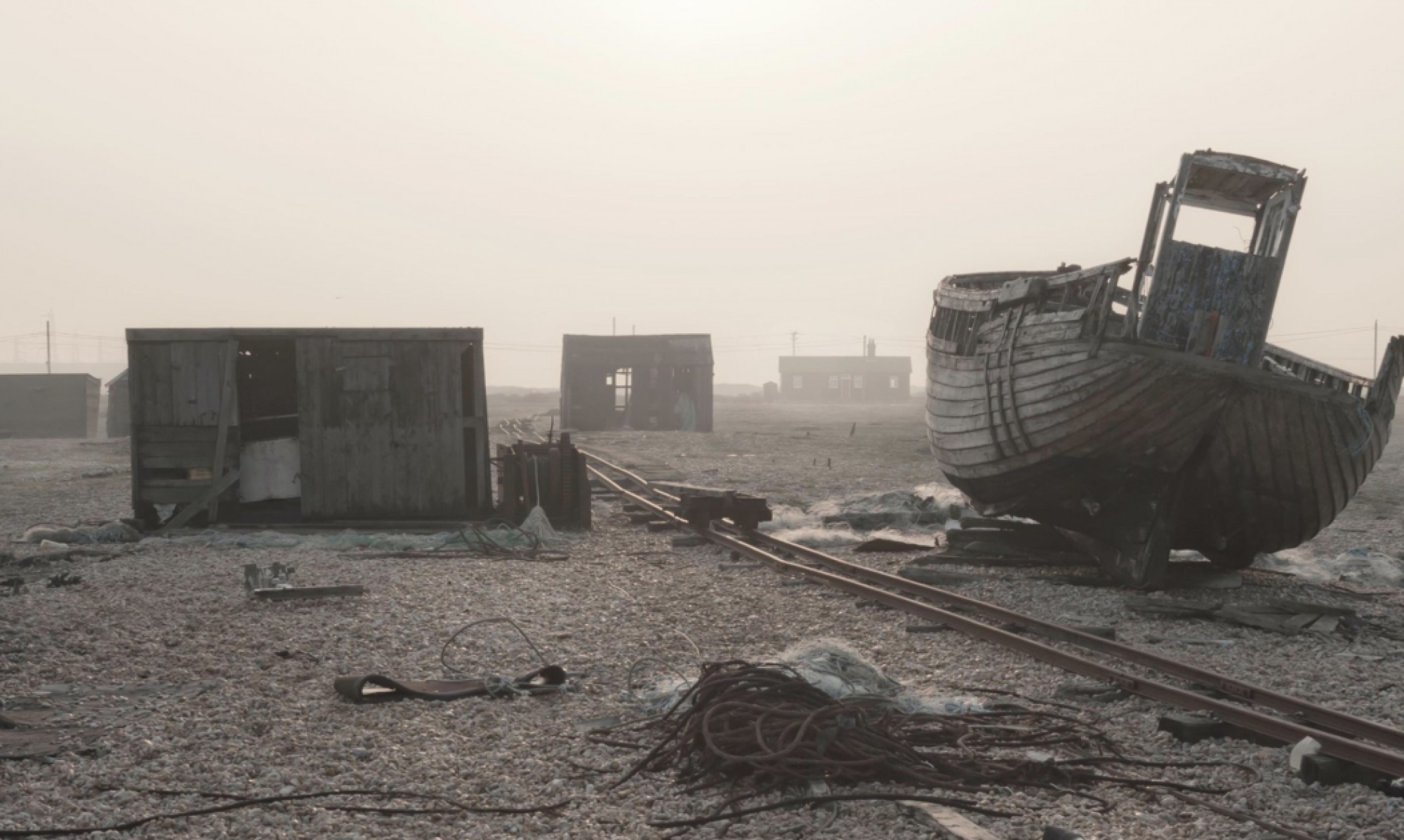
THORN aims to extend and enhance the material featured in Echtrai Journal – we will be publishing new texts, research and supplementary extracts not included in the print version, alongside case studies, interviews, articles and features relating to marginalised landscapes.
THORN will be an online resource and archive of fascinating and educational material relating to landscapes lost, abandoned, forgotten, ignored, secret, and mythic – designed to inform and inspire an enquiring audience.
THORN was initially conceived to establish a continuity of research and documentation between the printed material, and a more flexible, adaptable online presentation of work, and as a result of this, some selected pieces may be revised online, and/or republished in Echtrai, as our global network of researchers update their information and resources.
THORN is the name of one of the lost letters of the English alphabet which has its roots in the Scandinavian Rune Poems, and was used in Old English, Gothic, Old Norse, and Old Swedish languages. The letter Thorn originated from a rune in the Elder Futhorc, an ancient runic alphabet and writing system used by the Germanic peoples, which stems from the early 2nd Century. Thorn still survives in the modern Icelandic language.
IF YOU WOULD LIKE WORK CONSIDERED FOR PUBLICATION ON THORN, OR ARE INTERESTED IN BECOMING ONE OF OUR RESEARCHERS, PLEASE EMAIL US: Echtraijournal@aol.com
LOST CITIES REVEALED
An interview with Albert Lin
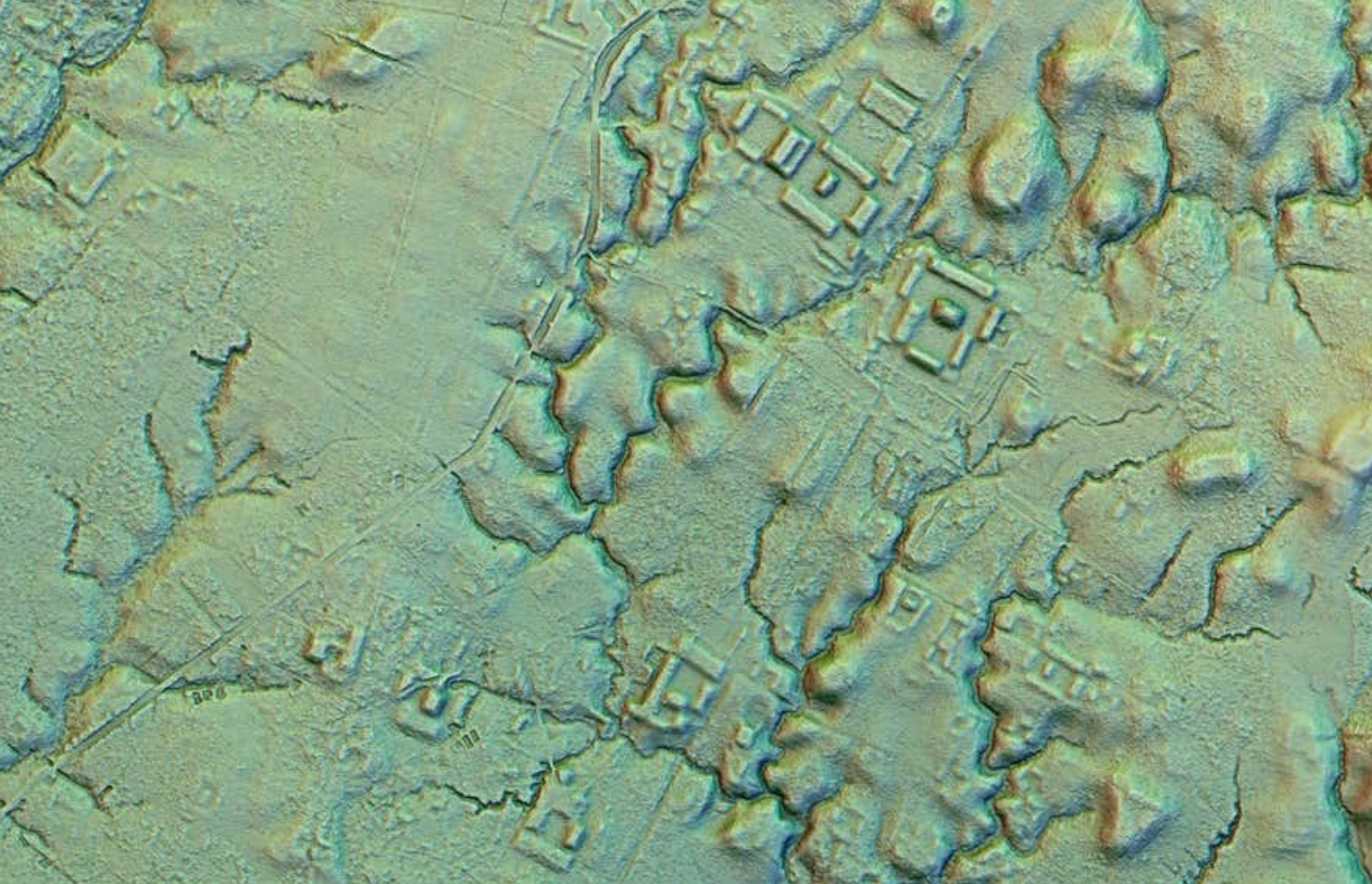
Albert Lin has become one of the most recent and respected voices to champion marginalised landscapes on TV. This interview encapsulates some of his thoughts, research, and the inspiration for his latest series – Lost Cities Revealed, that explores and explodes some of the most exciting marginalised locations in the world.
“..Looking at the sunrise and sunset across all these civilisations, it just reveals something about our humanity, these little magical bits that I feel like we’ve lost or we’ve forgotten…”
SITE, SEAL, GESTURE
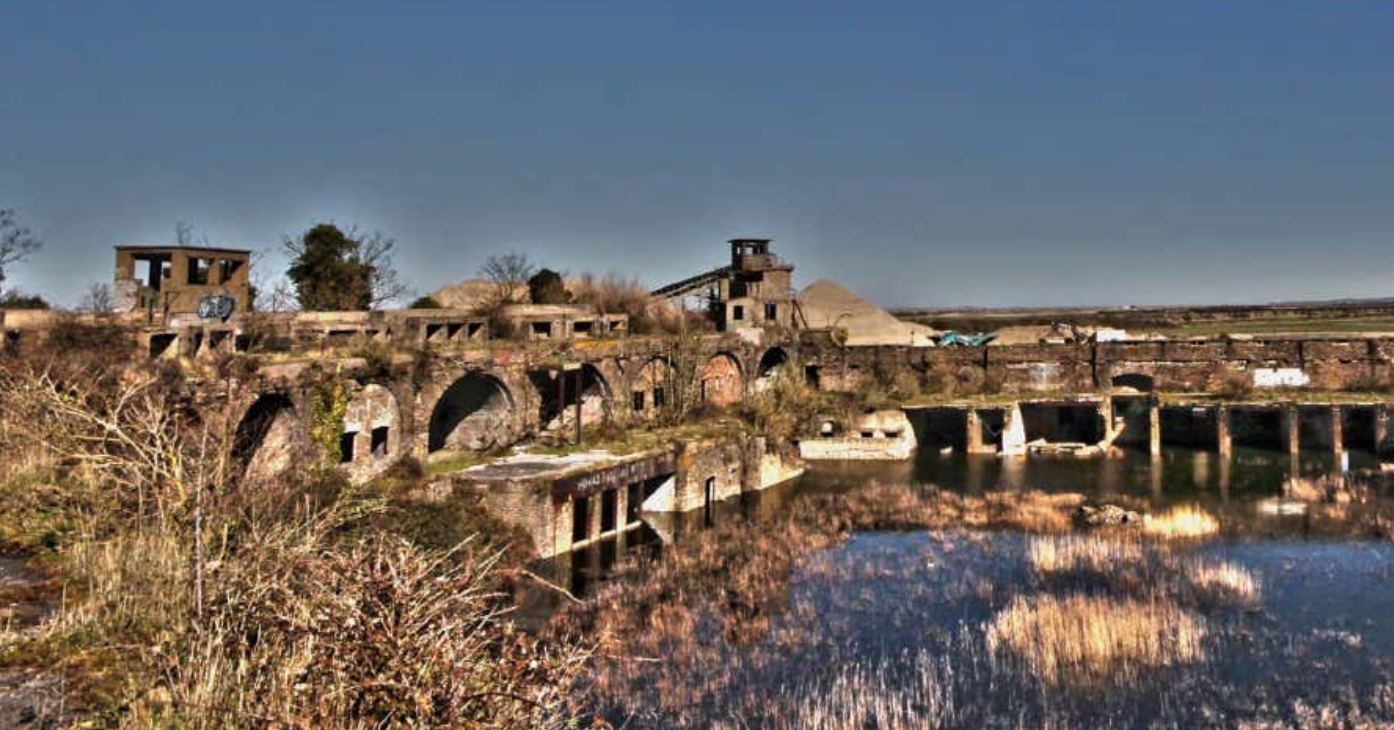
The work of artists/ experimental geographers, Rupert Griffiths and Lia Wei, reimagines and reinterprets selected abandoned and decommissioned military sites on the south coast of the uk. Together they document these strangely haunting places and create fresh narratives from what remains.
.”We re-configure these defensive/war architectures as sites of contestation and porosity, now invaded and overcome by entropy. In the gap or slippage between their past uses and present abandonment, we physically and imaginatively insert ourselves…”
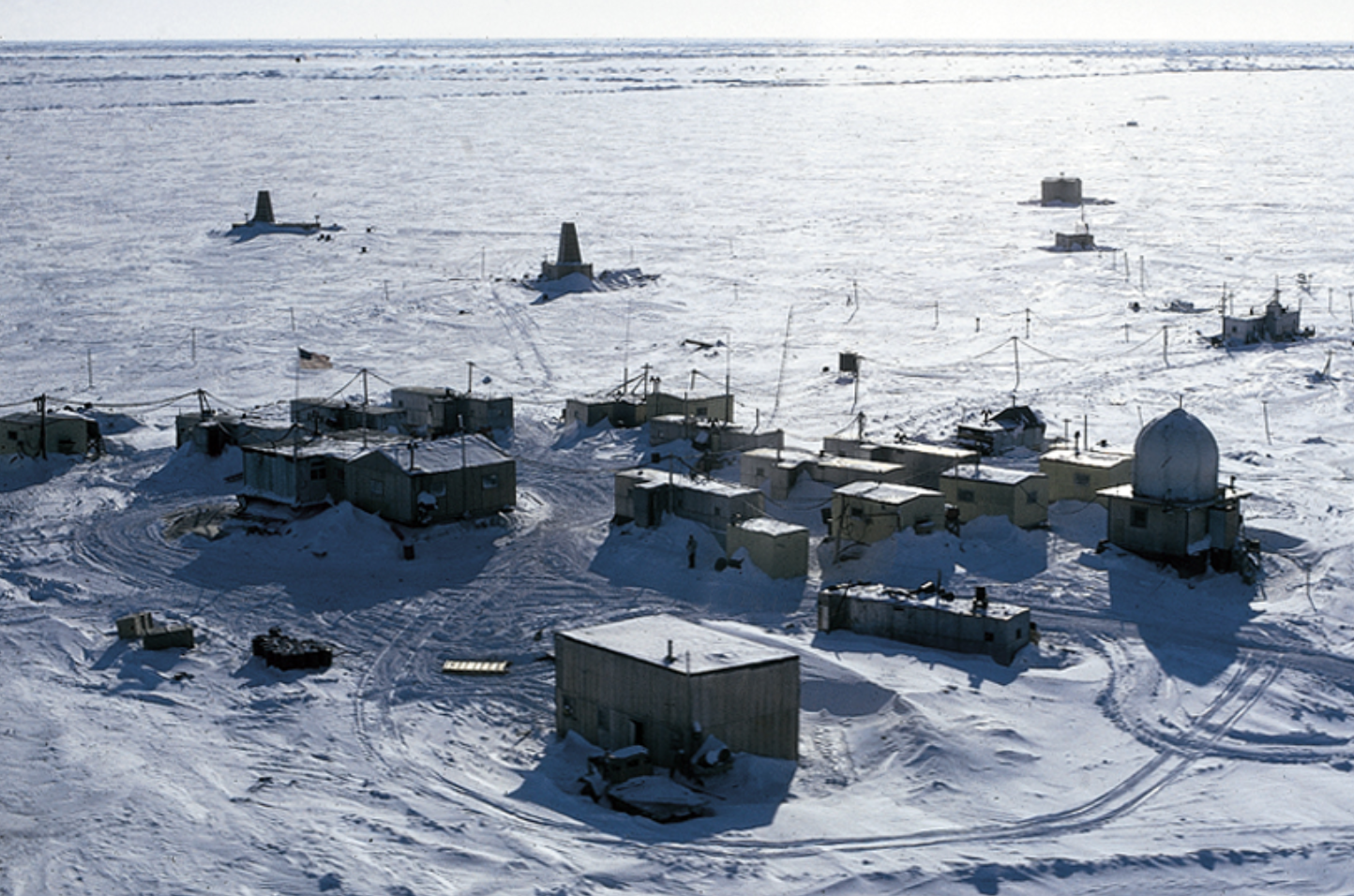
ABANDONED ARCTIC DRIFT STATIONS
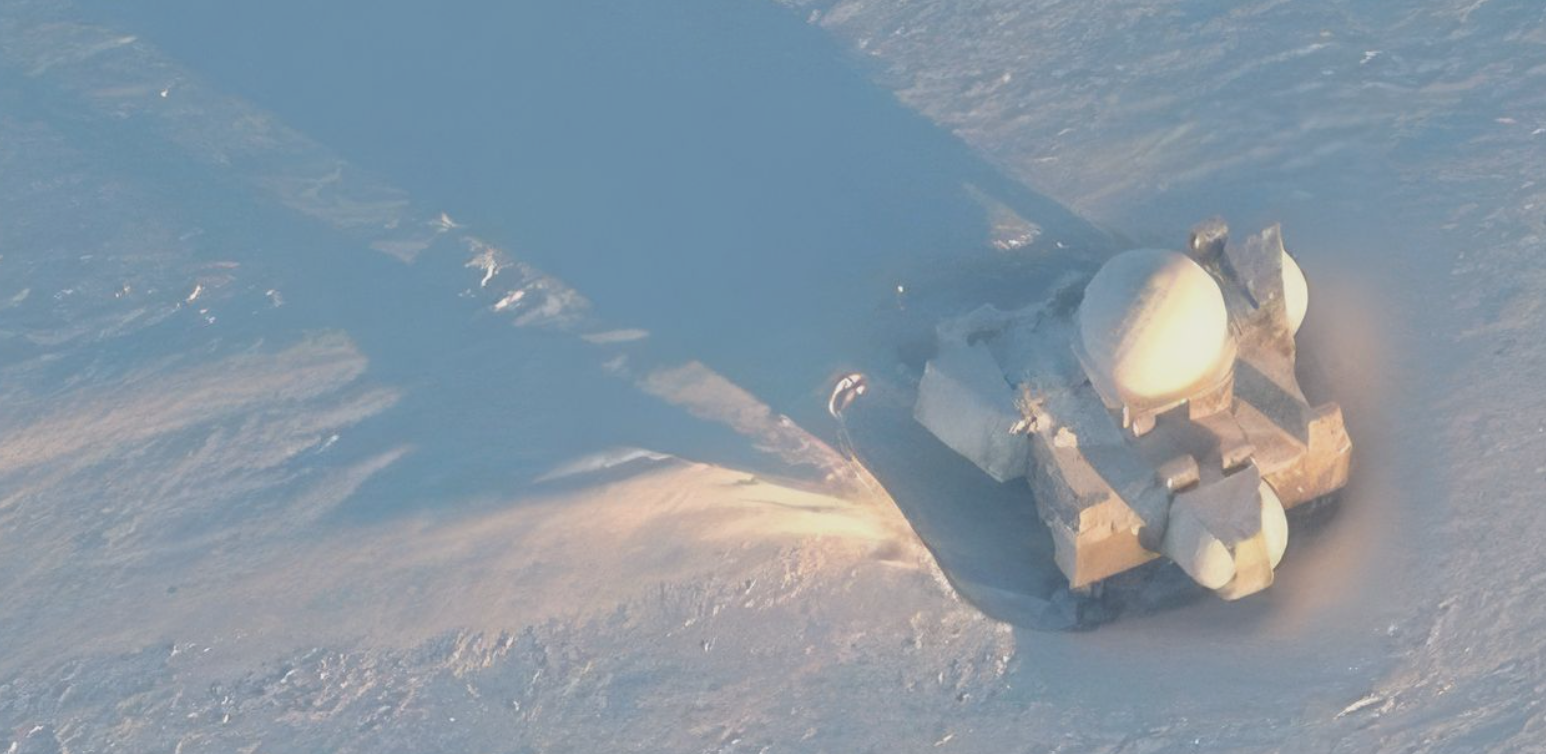
Abandoned artefacts of the Cold War era remained intact and undiscovered on small Arctic islands, known as ‘drift stations’. Recently declassified information has revealed the function and locations of some of these remote and mysterious sites…
THE ETHICS OF DUST – THE WORK OF JORGE OTERO-PAILOS
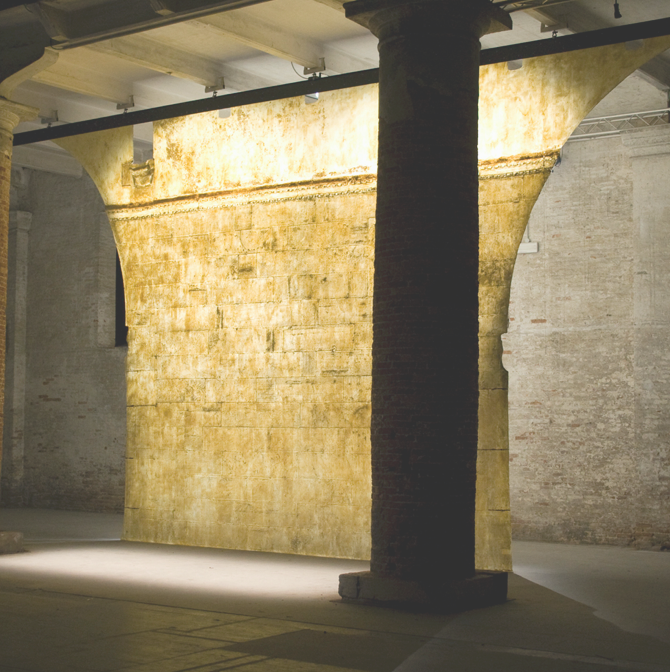
Jorge Otero-Pailos is an architectural conservator who specialises in cleaning ancient buildings using a highly specialised latex. Once peeled away from a structure, he exhibits the latex sheets, suspended and backlit in gallery settings, giving them the look of ‘ghost’ images that expose layers of a building’s hidden life and history.
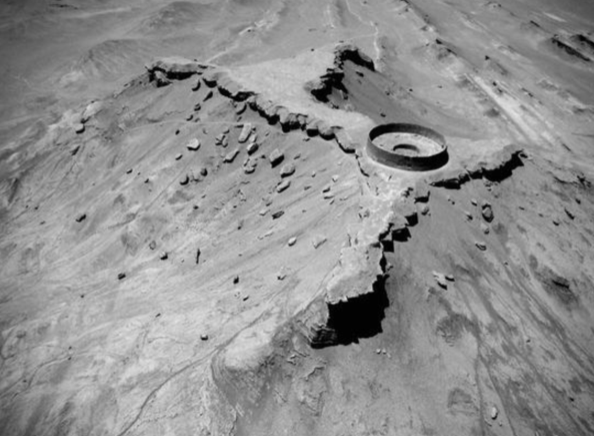
TOWERS OF SILENCE
These macabre structures sit in the desert landscape as uncomfortable, often painful reminders of their ancient past. Once used as ritual sites for the practice of excarnation, where human bodies were exposed to the elements and scavenging animals to avoid the ‘pollution’ of sacred ground.
RADIOACTIVE RUSSIAN CITIES
CASE STUDY
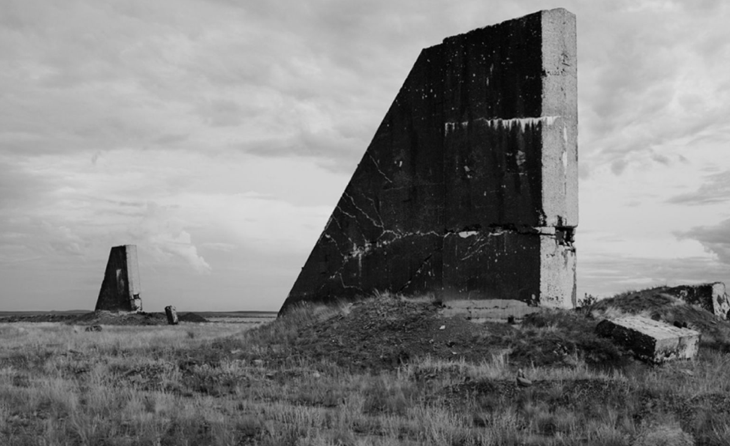
During the early days of atomic weapons testing in what was the USSR, some of the remotest towns and villages were living under the shadow of highly radioactive landscapes, and were subsequently abandoned as the population was gradually reduced by the effects of radioactive fallout. The Russian authorities kept these places a closely guarded secret, even redacting them from the maps, until the dissolution of the USSR. What was uncovered was both shocking and revelatory.

ANI – DESERTED CITY OF CHURCHES
Once the ancient capital of a region of Armenia, this ‘city of 1000 churches’ has a mixed and very troubled history. Rediscovered late in the 17th century, Ani has only recently been opened up to public scrutiny as a quirky tourist attraction.
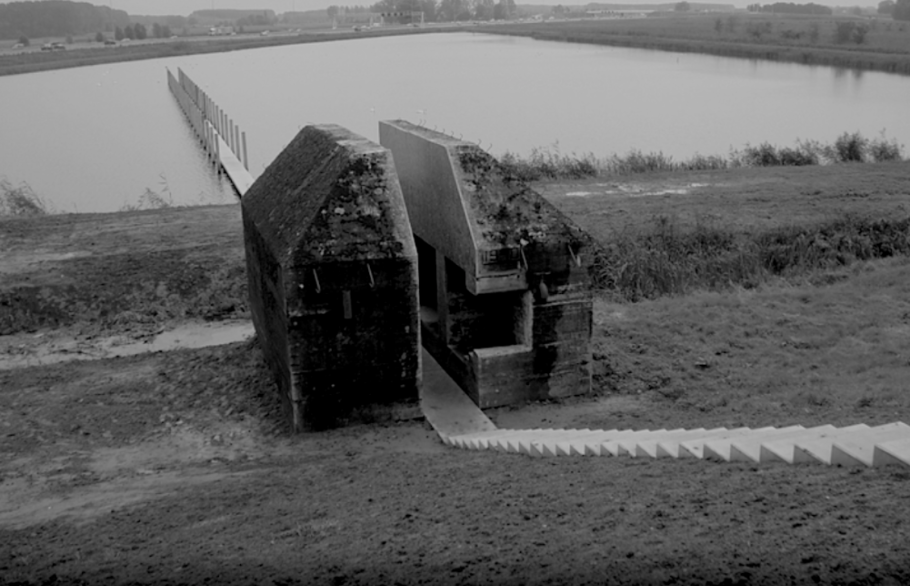
BUNKER 599 – REPURPOSING ABANDONED MILITARY ARCHITECTURE
CASE STUDY
A team of highly creative Dutch architects have found a way to give new life to a once abandoned WW2 bunker. At once a public sculpture, as well as a pertinent reminder of a troubled past, this building reaffirms the value of the practice of architectural salvage, appropriating what was once considered ugly, and defunct, and elevating it to the level of high art.
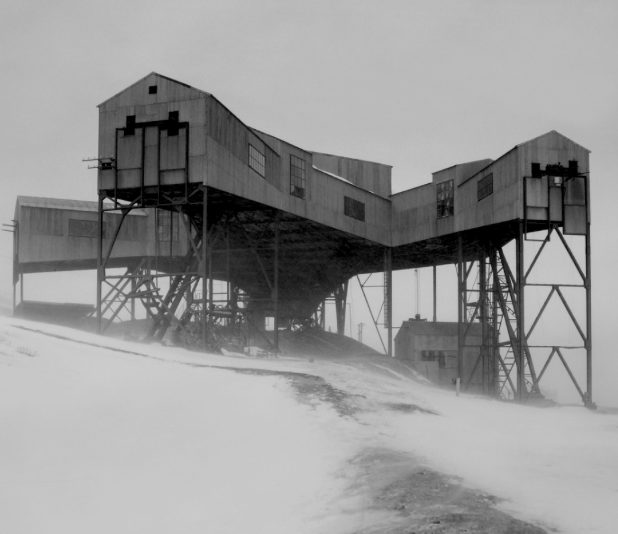
DESERTED ARCTIC RESEARCH STATIONS
Time, extreme weather conditions, poor financial support, contentious politics, and the frailties of human physiology, have all contributed to the abandonment of scientific research stations that litter the remotest regions of the high Arctic. Many have been left as reminders of their past utility, looking as if they were abandoned only recently. These places sit in the polar ice like the spectres of ancient vessels, waiting to be discovered by a new generation of polar explorers.
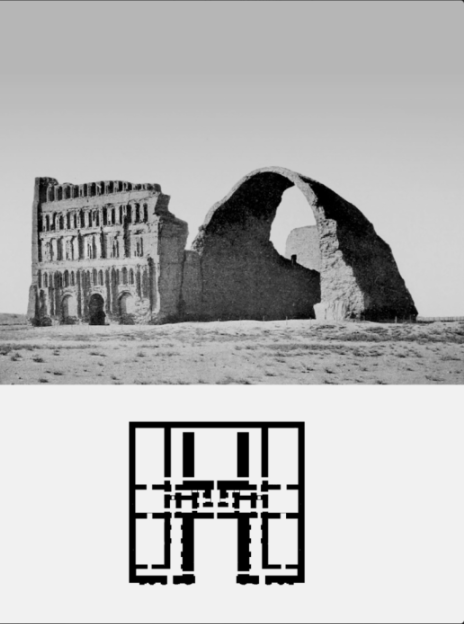
THE ARCH OF CTESIPHON
A remarkable remnant from a long forgotten palace of the Persian occupation. The Arch of Ctesiphon is a spectacular example of ancient architectural skill and ingenuity – it solemnly resides in the landscape as a majestic reminder of a much unsung element of a highly refined ancient culture.
 AnMór Studio